Size, shape and depth
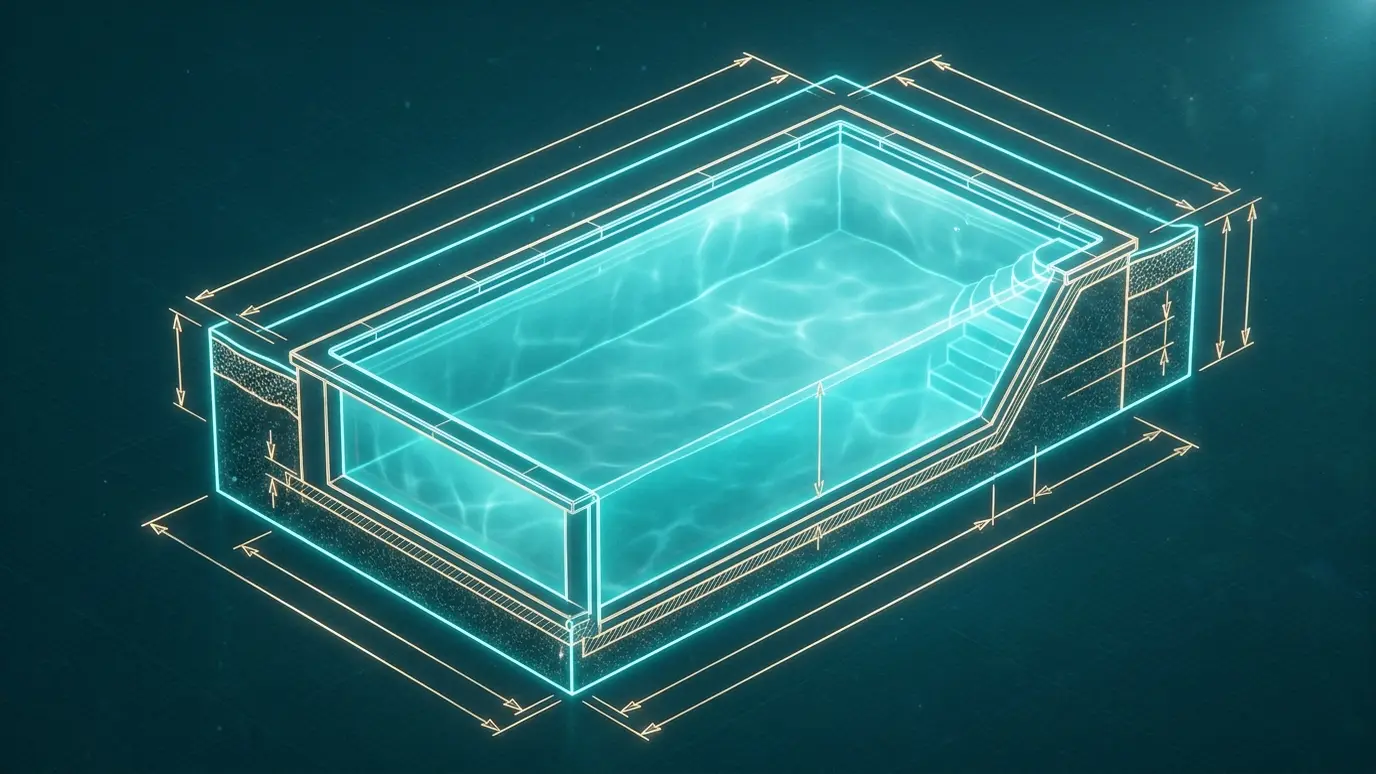
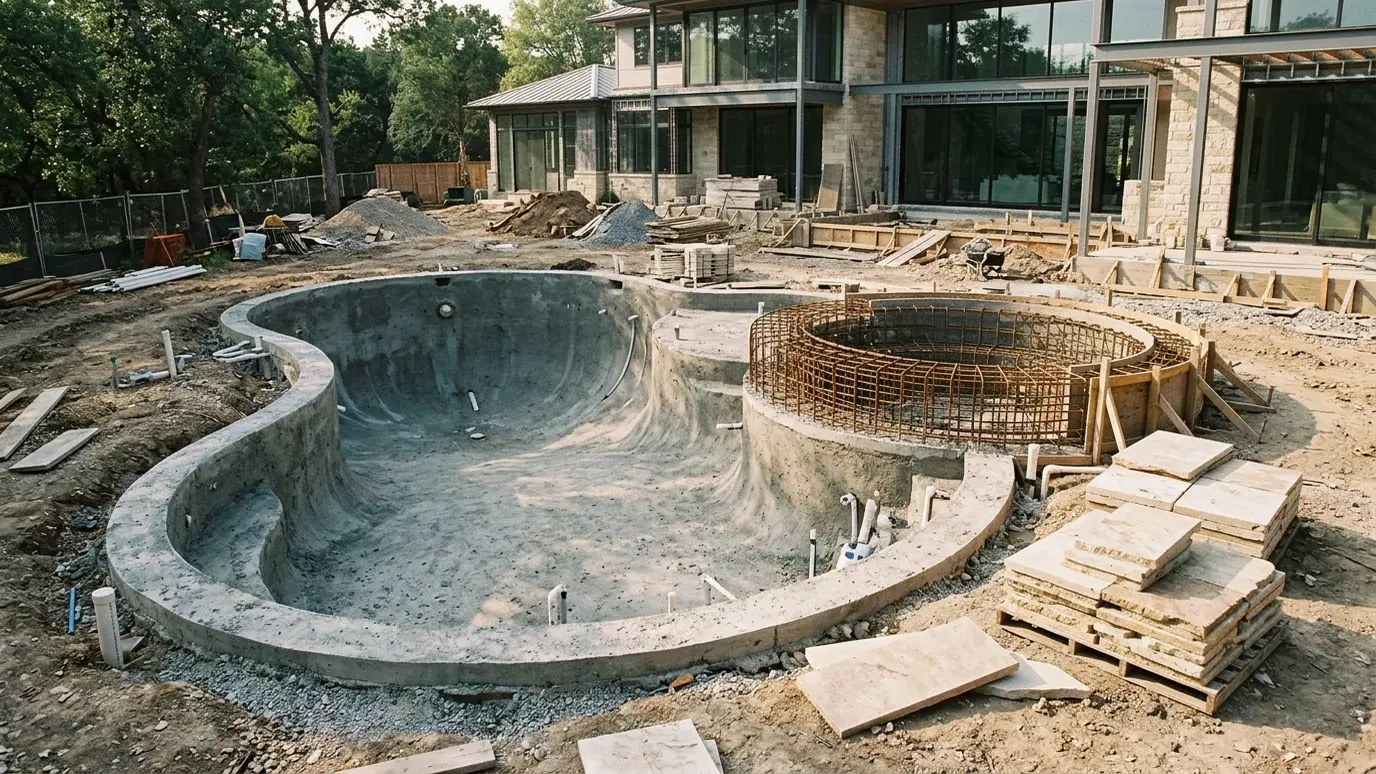
Surface area and depth set the amount of excavation, steel, concrete, tile and finish. A compact plunge pool is a very different project from a large lagoon with a swim-up bar.
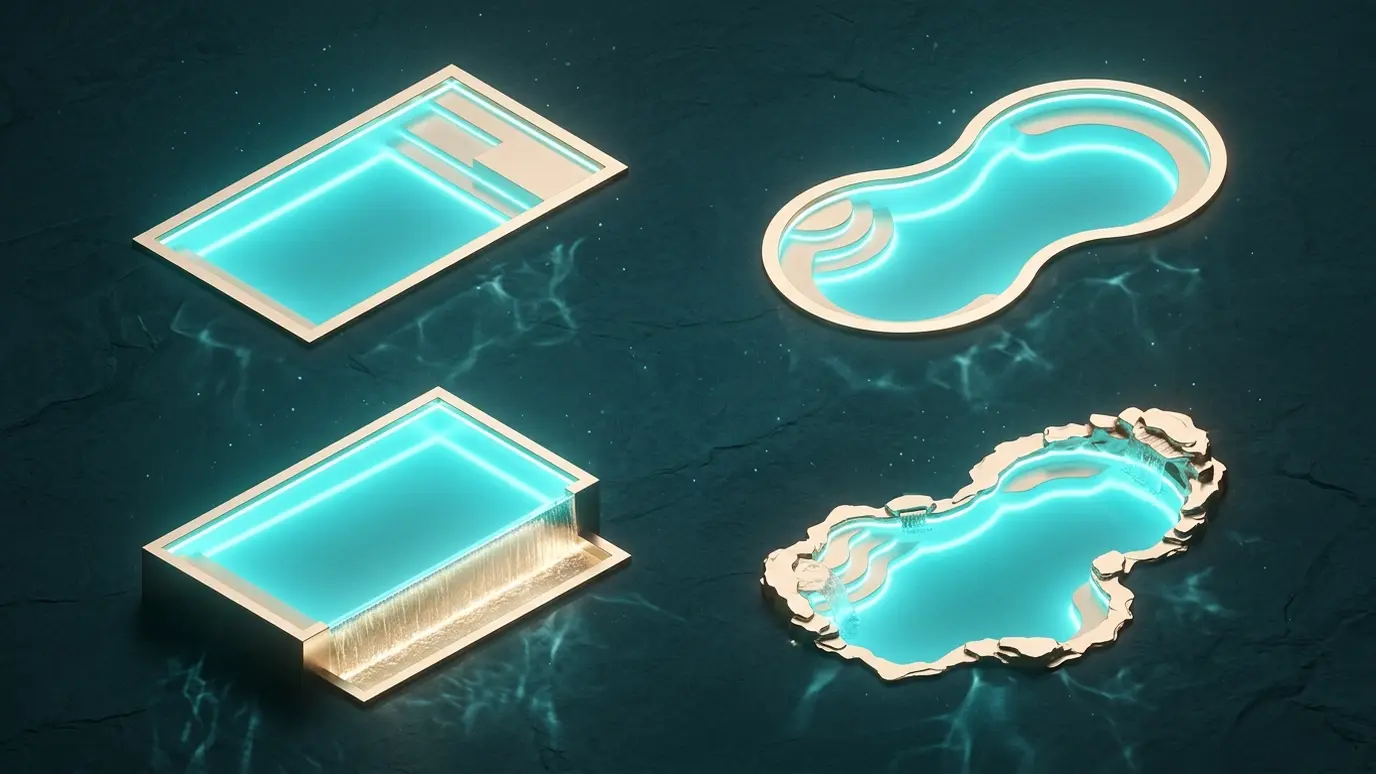
Shape matters too. Straight lines are efficient to form, and curves, raised walls and multiple levels add labor and materials.
The site itself
Slope, soil, rock, access and utilities can change cost more than any single feature. A steep lot needs retaining walls and engineered drainage, and a tight yard may need a crane or hand excavation.
A site visit and survey early in the process remove most of the guesswork.
Finishes and materials
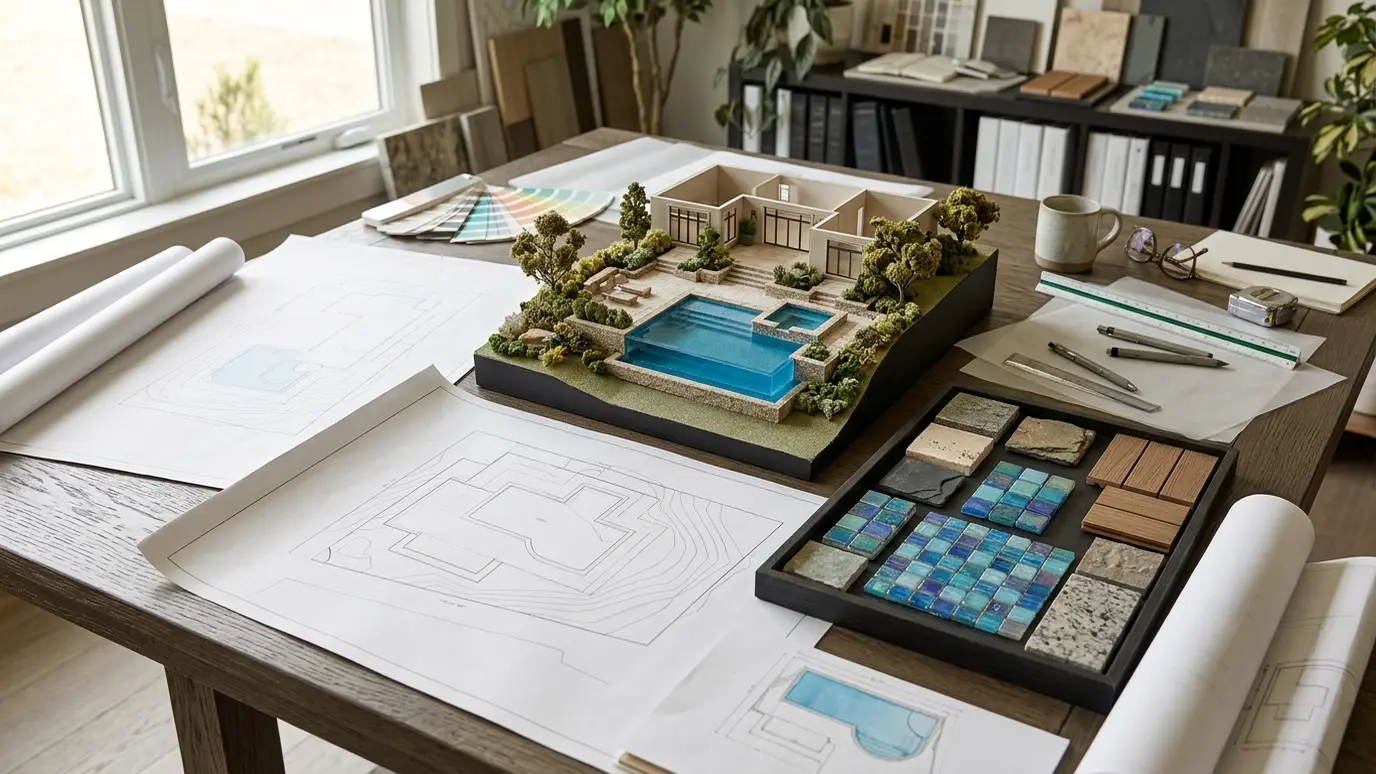
Interior finish, waterline tile, coping and decking each come in a range. Plaster, quartz, pebble and glass bead differ, and so do travertine, bluestone and porcelain pavers.
Choosing a few premium surfaces and keeping the rest simple is an effective way to control cost while keeping the look.
Equipment and technology
Pumps, filters, heaters, automation, lighting and covers vary widely. Variable speed pumps, heat pumps and smart controls cost more at the start and often reduce running cost.
A good proposal lists equipment by type and capacity so you can compare fairly.
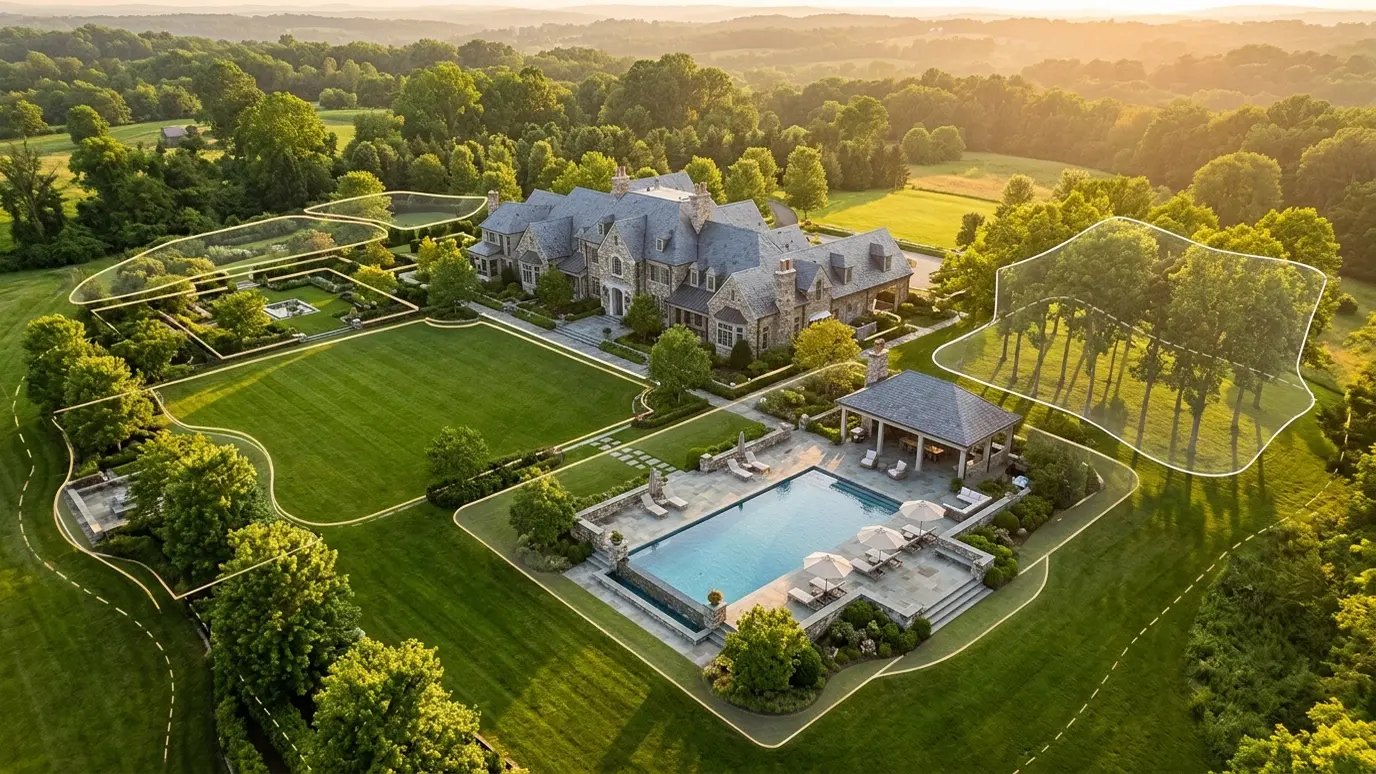
Features and outdoor living
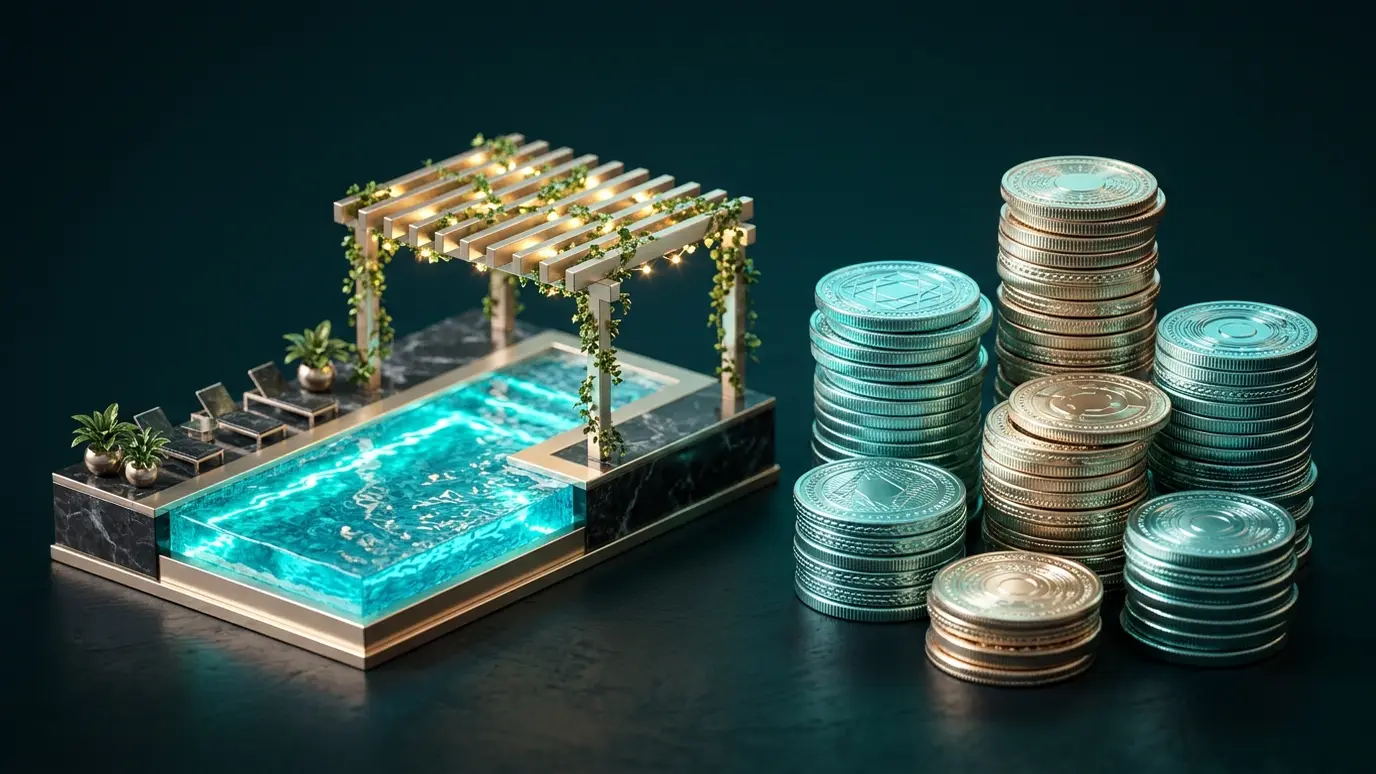
Spas, waterfalls, fire bowls, outdoor kitchens, pergolas and lighting add up. Many owners plan all of them and build in phases, with utilities placed for later work.
Ask which features are included, which are allowances and which are separate.
How to compare proposals
Compare scope, not totals. Look at pool size, depth, finishes, equipment, decking, landscaping, permits, schedule and what is excluded. Ask what happens if soil or rock conditions differ.
A clear, written scope with allowances stated is a sign of an organized builder.
Compare written scopes, pay attention to what is included and plan the budget with a contingency for the unexpected.