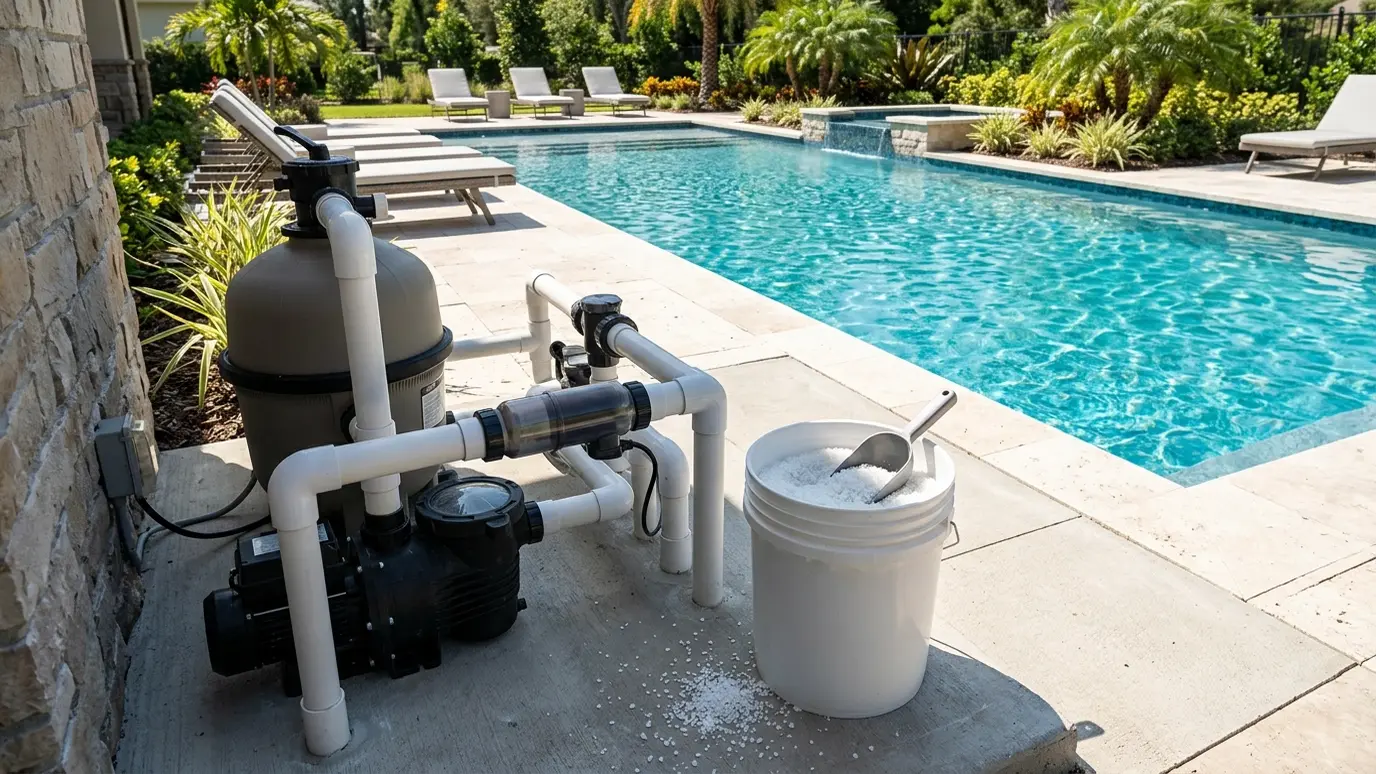
How saltwater works
A saltwater pool uses a cell that converts dissolved salt into chlorine. The water contains far less salt than the sea, and the chlorine is produced steadily.
It is still a chlorine pool, with a different delivery method.
How it feels
Many swimmers find saltwater softer and less irritating. Chlorine smell is lighter. This is partly because the chlorine level stays steady.
Comfort also depends on balanced pH and alkalinity.
Equipment and cost
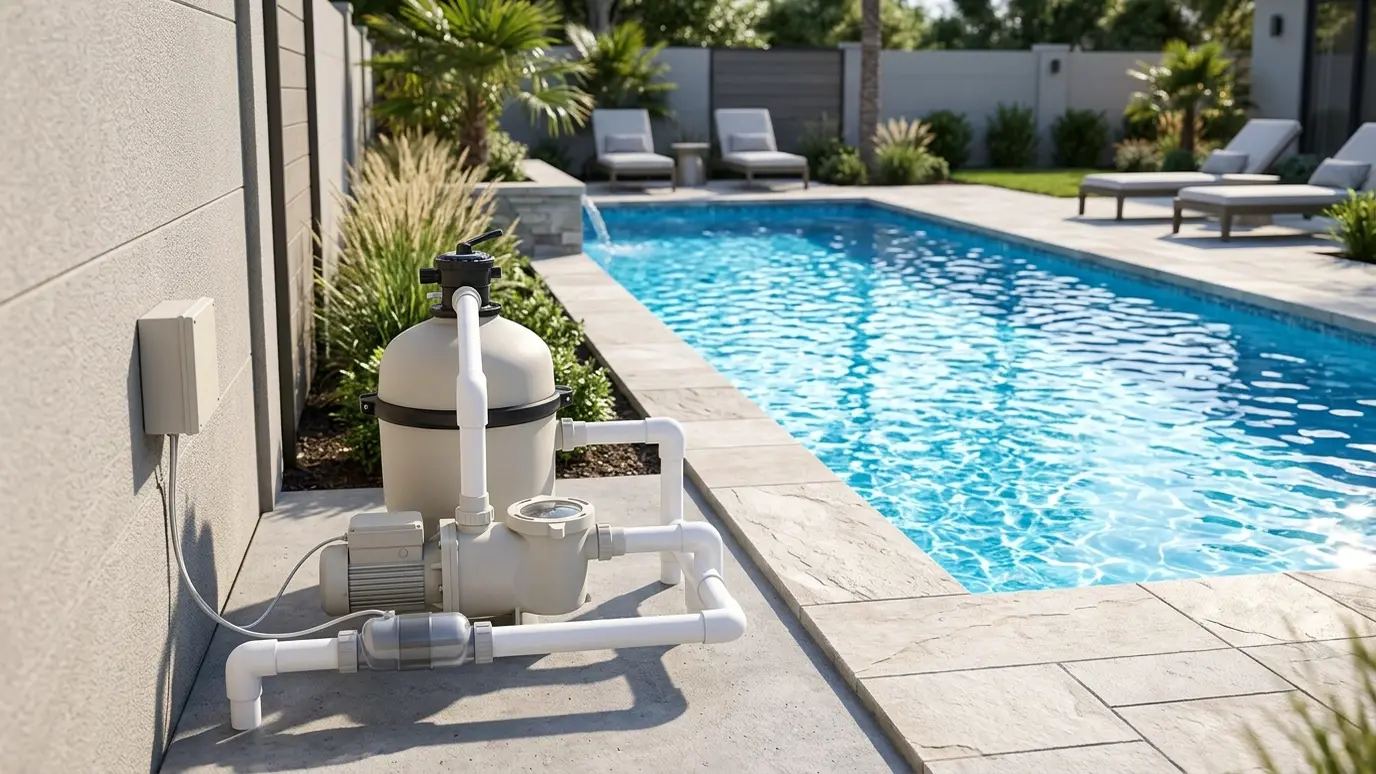
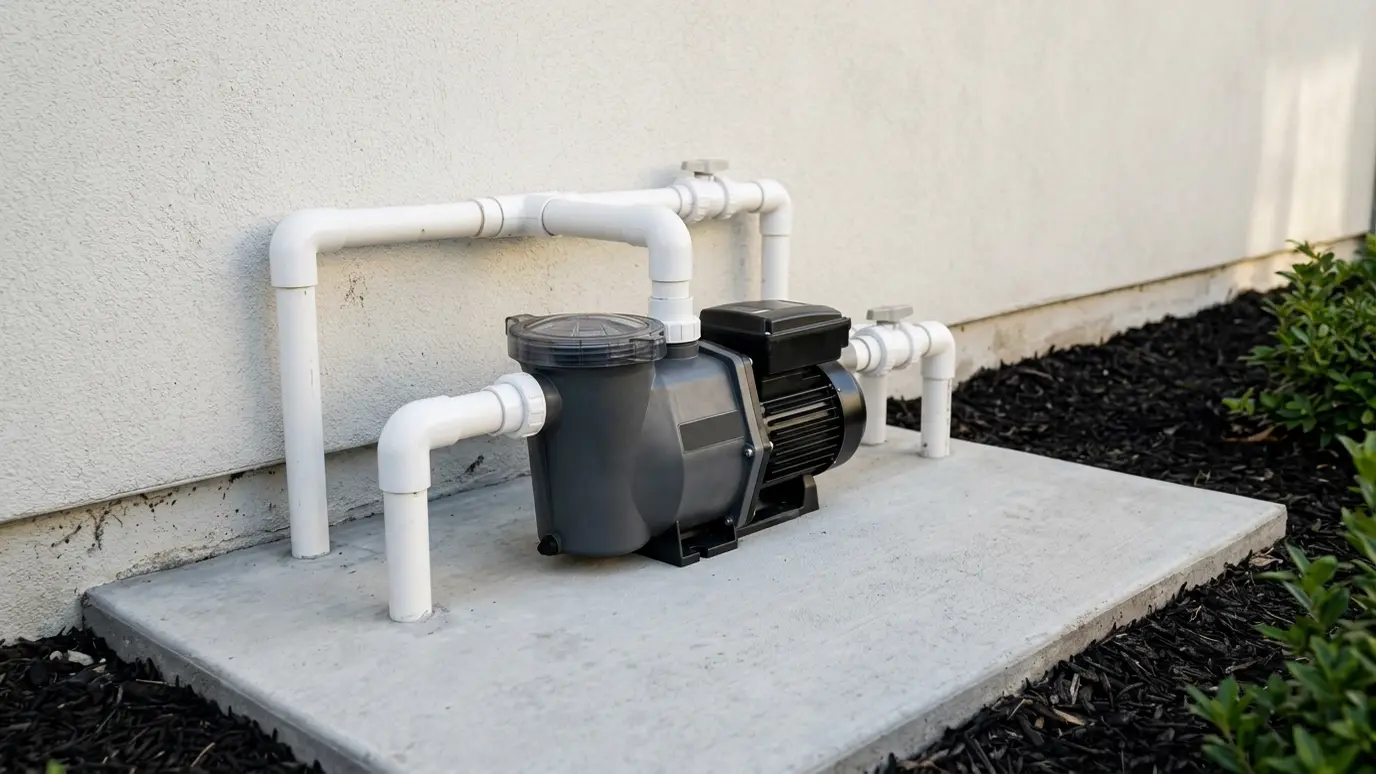
A salt system costs more at the start and replaces cell parts over time. Savings come from buying less chlorine. Pump and controller choices matter.
We discuss total cost with you.
Stone, metal and plants
Salt can affect some natural stone, metals and plants. Sealing stone, choosing suitable materials and managing splash-out reduce problems.
We plan for it in design.
Care routine
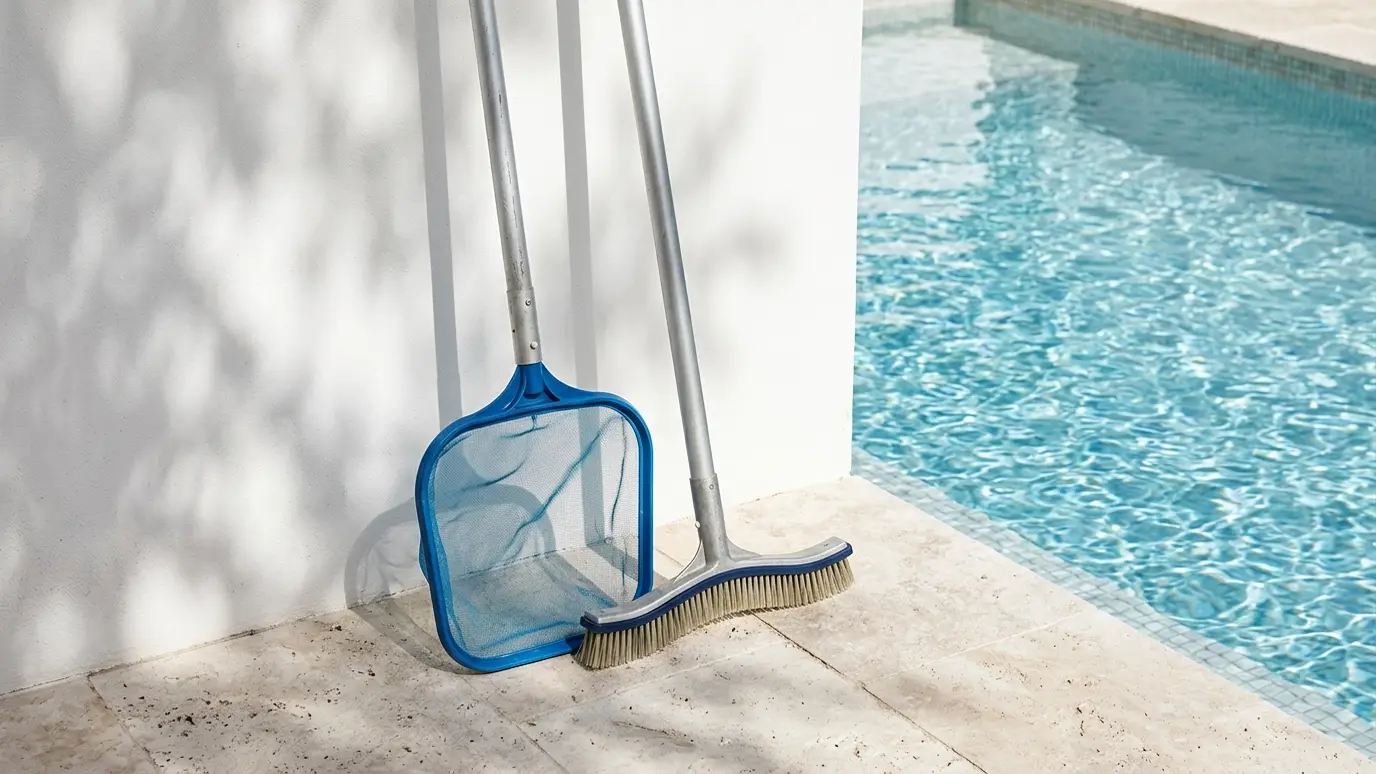
Salt level, pH, alkalinity and stabilizer still need checks. A monitor or test kit makes it simple, and the cell needs periodic cleaning.
We provide a seasonal checklist.
Supplemental options
UV and ozone systems reduce the amount of chlorine needed and improve clarity. They work alongside saltwater or traditional chlorine.
They are a premium option.
Choose saltwater for softness and steady chemistry, and plan materials and care around it.