Why permits matter
Permits protect you, your neighbors and future buyers. They ensure that structure, electrical work, plumbing and barriers meet safety standards and that the pool is documented.
An unpermitted pool can cause trouble at sale and with insurance.
What is usually reviewed
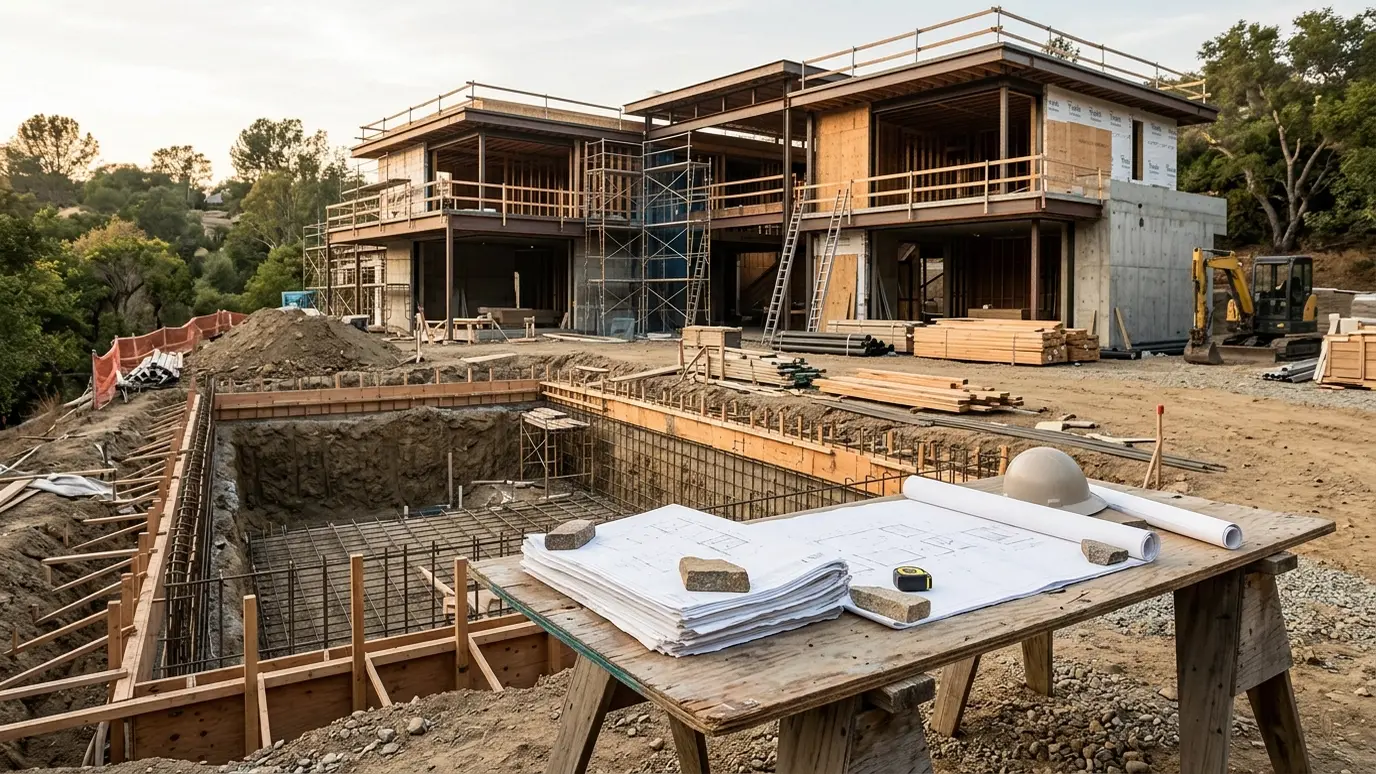
Plans often show setbacks from property lines, easements, utility lines, drainage, barriers and equipment location. Electrical bonding and grounding are reviewed, and plumbing and gas lines may need separate permits.
Outdoor structures such as pergolas, pool houses and retaining walls may need their own permits.
Setbacks and easements
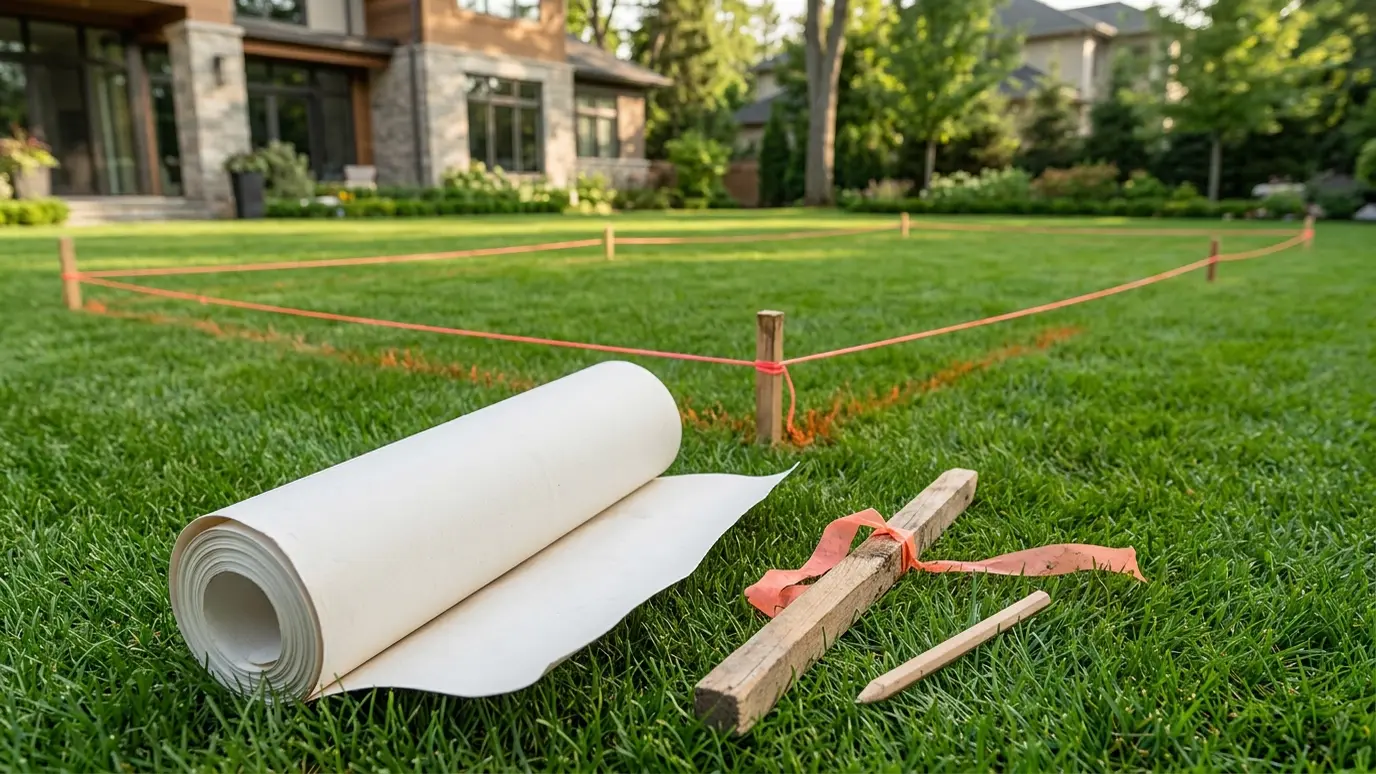
Property lines, utility easements and septic systems limit where a pool can go. A survey shows what applies, and it is worth getting one early.
HOAs often add their own rules for appearance, fences and equipment screening.
Safety barriers
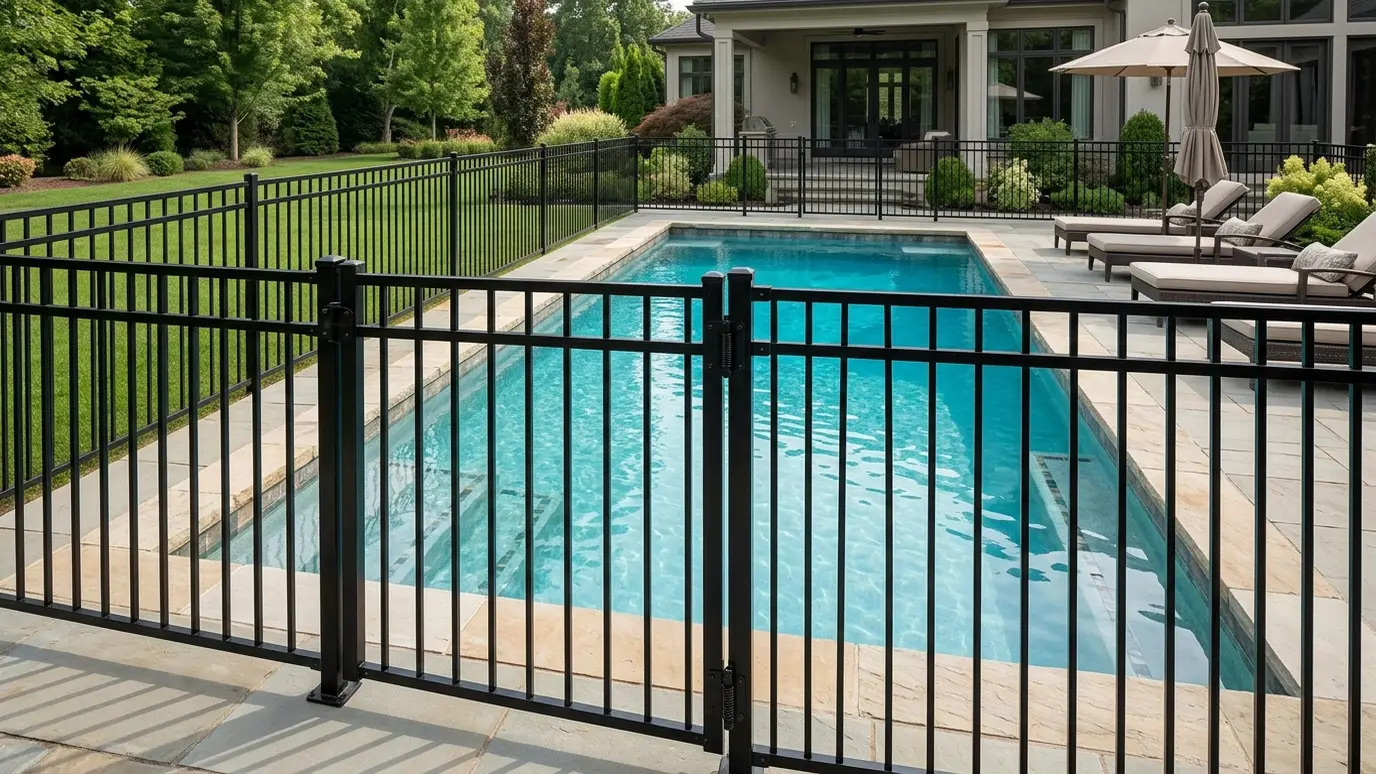
Most areas require a barrier around a pool, with self-closing, self-latching gates and sometimes alarms on doors. Heights and gaps are specified, and an inspector checks them.
Rules differ by jurisdiction, so confirm what applies to your property.
Inspections
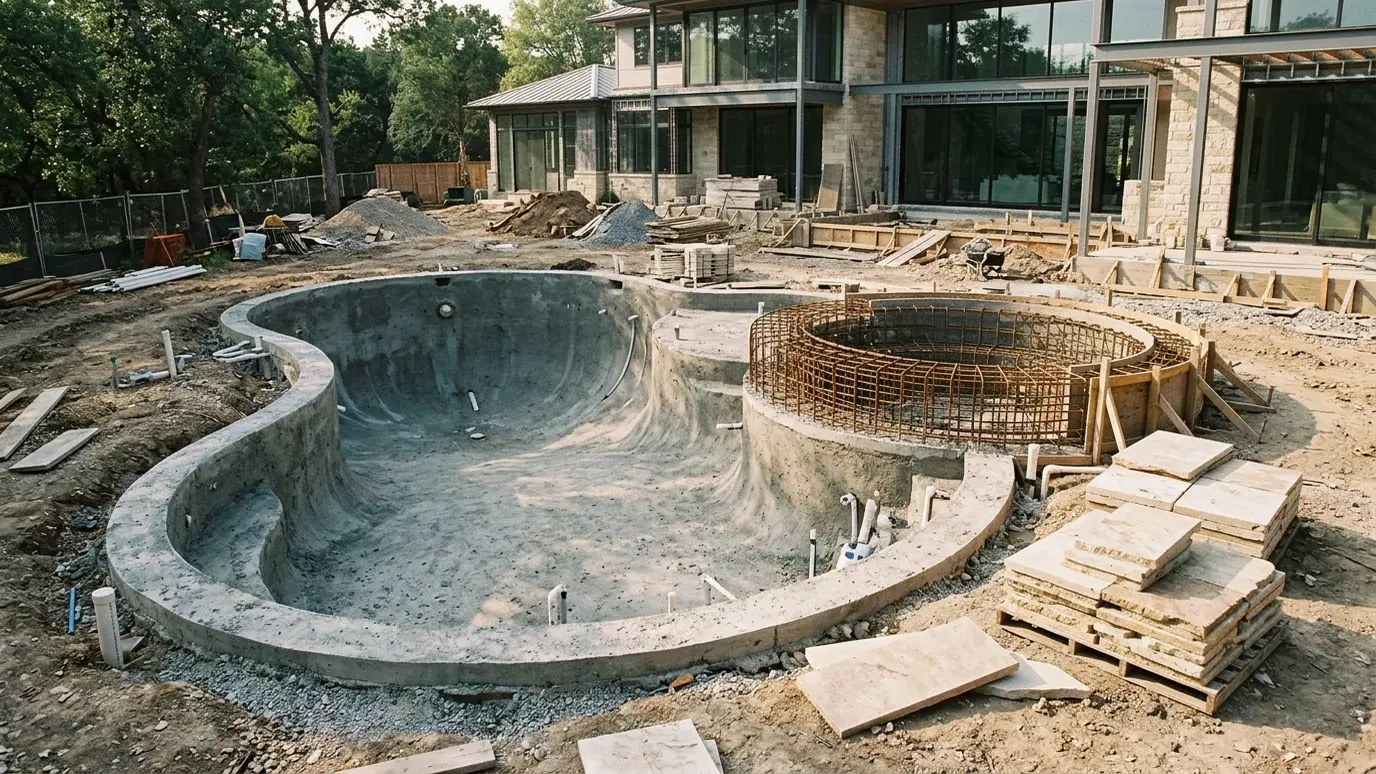
Inspections usually occur at steel, rough plumbing and electrical, shell and final stages. We schedule them in sequence and make sure the site is ready.
A failed inspection delays work, so careful preparation matters.
Who handles it
We prepare and manage the permit process for the pool and the outdoor features we build, and we explain what to expect. Your HOA or architect may have their own steps.
This guide is general information. Always confirm current requirements with the local authority.
Get a survey early, check HOA rules and let your builder manage permits and inspections.